
Introduction
Hydraulic systems rely on the proper interaction of hydraulic fluids, seals, hoses, pumps, valves, and other components to maintain reliable operation. While selecting hydraulic oil, viscosity, anti-wear protection, oxidation stability, and temperature performance are important considerations, seal compatibility is equally essential.
Hydraulic seals prevent fluid leakage, maintain system pressure, and protect internal components from external contamination. However, selecting an incompatible hydraulic fluid can cause seals to swell, shrink, harden, soften, or lose their elasticity. These changes may lead to leakage, pressure loss, increased maintenance requirements, and unexpected equipment downtime.
For industrial machinery, construction equipment, manufacturing plants, and mobile hydraulic systems, understanding seal compatibility helps ensure long-term hydraulic system reliability.
Understanding Hydraulic Seal Compatibility
Hydraulic seal compatibility refers to the ability of a sealing material to maintain its physical properties and sealing performance when exposed to a particular hydraulic fluid.
Hydraulic seals are manufactured using different elastomers and polymer materials. Each material has specific chemical and temperature resistance characteristics.
Common hydraulic sealing materials include:
1. Nitrile Rubber (NBR): Commonly used in hydraulic applications due to its good resistance to petroleum-based hydraulic oils.
2. Fluorocarbon Rubber (FKM): Offers good resistance to elevated temperatures and many hydraulic fluids.
3. Polyurethane (PU): Provides excellent abrasion resistance and mechanical strength in many hydraulic applications.
4. Ethylene Propylene Diene Monomer (EPDM): Suitable for certain water-based and phosphate ester fluids but generally unsuitable for conventional petroleum-based hydraulic oils.
5. Polytetrafluoroethylene (PTFE): Offers broad chemical resistance and low friction, making it suitable for demanding sealing applications.
Choosing the right hydraulic fluid requires considering the chemical properties of the fluid and the material used in the sealing components.
How Hydraulic Fluids Affect Seal Materials
Hydraulic fluids can interact differently with various sealing materials. An unsuitable combination may gradually change the physical characteristics of the seal.
Seal Swelling: Certain fluids can cause elastomer seals to absorb chemicals and increase in volume. Excessive swelling may increase friction, affect movement, and damage the sealing surface.
Seal Shrinkage: Some incompatible fluids can extract plasticizers or other components from sealing materials, causing seals to shrink and lose their ability to maintain proper contact.
Hardening and Cracking: Chemical incompatibility and excessive operating temperatures can reduce seal flexibility, increasing the risk of cracks and fluid leakage.
Softening and Loss of Strength: Some hydraulic fluids may weaken elastomer structures, reducing their resistance to pressure and mechanical stress.
Loss of Elasticity: Seals must maintain their flexibility to accommodate pressure fluctuations and component movement. Fluid incompatibility can reduce their ability to recover their original shape.
Important Factors When Selecting Hydraulic Fluid
Selecting compatible hydraulic oil requires evaluating several technical factors.
Chemical Composition
Different hydraulic fluids contain different base oils and additive systems. Mineral-based, synthetic, water-glycol, and phosphate ester hydraulic fluids may interact differently with seal materials.
Always verify fluid compatibility with the seal manufacturer’s recommendations.
Operating Temperature
High operating temperatures can accelerate chemical interactions between hydraulic fluids and sealing materials. Selecting a fluid with appropriate thermal stability helps maintain system performance.
Additive Compatibility
Hydraulic oil additives provide anti-wear protection, oxidation resistance, corrosion protection, and foam control. However, the complete formulation must be compatible with the sealing materials used in the equipment.
Operating Pressure
High-pressure hydraulic systems place significant mechanical stress on seals. The sealing material must maintain its strength, flexibility, and dimensional stability under operating conditions.
Fluid Service Life
Long-term exposure to hydraulic oil can gradually influence seal properties. Compatibility testing should consider both operating temperature and expected fluid exposure duration.
Common Problems Caused by Incompatible Hydraulic Fluids
Using unsuitable hydraulic oil can create several operational problems.
1. External Leakage: Damaged or swollen seals may allow hydraulic fluid to escape.
2. Pressure Loss: Poor sealing performance can reduce system pressure and operating efficiency.
3. Increased Friction: Excessive seal swelling may increase resistance during component movement.
4. Premature Component Failure: Damaged seals can expose hydraulic components to contamination.
5. Frequent Maintenance: Repeated seal replacement increases maintenance expenses and equipment downtime.
6. Reduced System Reliability: Incompatible fluids can compromise the performance of the entire hydraulic system.
Identifying compatibility problems early can help prevent unnecessary equipment repairs.
Best Practices for Maintaining Hydraulic Seal Compatibility
Industrial operators and maintenance professionals can follow several practices to protect hydraulic seals.
1. Check Equipment Specifications: Review the hydraulic system manufacturer’s recommended fluid requirements.
2. Identify Seal Materials: Confirm whether the system uses NBR, FKM, EPDM, PU, PTFE, or other sealing materials.
3. Verify Fluid Compatibility: Consult hydraulic fluid and seal manufacturers before selecting or changing fluids.
4. Avoid Unverified Fluid Mixing: Different hydraulic formulations should not be mixed without confirming compatibility.
5. Monitor Operating Conditions: Regularly check hydraulic temperature, pressure, and fluid condition.
6. Inspect Seals Periodically: Look for swelling, cracking, hardening, deformation, and leakage.
7. Follow Proper Fluid Replacement Procedures: Clean and flush systems when changing to a different hydraulic fluid type, following equipment and fluid manufacturer recommendations.
The Importance of Hydraulic Fluid Quality
High-quality hydraulic fluids play an important role in protecting pumps, valves, cylinders, and other hydraulic components. A properly formulated hydraulic oil provides essential anti-wear protection, oxidation stability, corrosion resistance, and reliable lubrication.
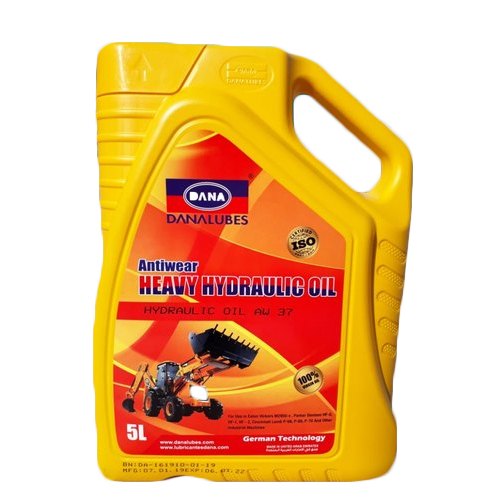
DANA Lubes offers hydraulic oil solutions designed for different industrial and mobile equipment applications, including AW hydraulic oils in various ISO viscosity grades.
Selecting the appropriate hydraulic fluid involves more than matching viscosity requirements. Seal material compatibility, operating temperature, pressure conditions, and equipment specifications should all be considered.
With proper hydraulic fluid selection and routine maintenance, equipment operators can improve system reliability, minimize leakage, and support longer component service life.
Conclusion
Seal compatibility is an important consideration in hydraulic fluid selection because sealing materials directly influence system pressure retention, leakage prevention, and equipment reliability. An incompatible hydraulic fluid may cause seal deterioration, premature component failure, and increased maintenance costs.
By understanding seal materials, evaluating fluid chemistry, and following equipment manufacturer recommendations, businesses can make better hydraulic lubricant selection decisions.
DANA Lubes focuses on lubricant solutions for automotive, industrial, and heavy-duty applications, supporting equipment protection and reliable lubrication performance across demanding operating environments.
#HydraulicFluid #HydraulicOil #SealCompatibility #HydraulicSystems #AWHydraulicOil #LubricationTechnology #HydraulicEngineering #DNALubes #DanaLubricants
Partner with DANA Group today:
🌐 danalubes.com
📧 info@danagroups.com
☎️ +971 4 221 7273
35+ years manufacturing industrial solutions for UAE industries.