
The Key to Smooth Gear Shifting and Extended Transmission Life
Introduction
The transmission is one of the most sophisticated and essential systems in any vehicle. Whether it is an automatic transmission, manual gearbox, or heavy-duty commercial drivetrain, its primary role is to transfer engine power efficiently while ensuring smooth and precise gear changes. To achieve this, every transmission depends on high-quality transmission oil or Automatic Transmission Fluid (ATF). Transmission oil is far more than just a lubricant. It reduces friction, dissipates heat, protects gears and bearings, prevents corrosion, and, in automatic transmissions, acts as a hydraulic fluid for accurate gear engagement. Choosing the correct transmission lubricant and maintaining it regularly is the key to smooth gear shifting, improved fuel efficiency, and extended transmission life. Whether you drive a passenger car, SUV, pickup truck, commercial vehicle, or operate industrial equipment, proper transmission lubrication is essential for long-term reliability and lower maintenance costs.
Why Transmission Lubrication Is Important
Every transmission contains numerous moving components that operate under constant pressure and varying temperatures.
Premium transmission oil helps to:
1. Lubricate gears and bearings
2. Reduce friction and wear
3. Dissipate operating heat
4. Maintain hydraulic pressure
5. Protect against rust and corrosion
6. Ensure smooth gear engagement
7. Extend transmission service life
Without proper lubrication, transmission components can suffer premature wear, overheating, and expensive mechanical failures.
How High-Quality Transmission Oil Improves Gear Shifting
Smooth Hydraulic Operation
In automatic transmissions, the fluid acts as a hydraulic medium that controls clutch packs and gear changes.
Premium transmission fluid provides:
1. Fast hydraulic response
2. Consistent oil pressure
3. Smooth gear engagement
4. Reduced shift shock
This results in a more comfortable and responsive driving experience.
Reduced Friction
Advanced friction modifiers help:
1. Minimize internal resistance
2. Improve clutch performance
3. Reduce gear wear
4. Deliver smoother transmission operation
Lower friction also contributes to improved drivetrain efficiency.
Superior Wear Protection
Transmission gears, bearings, synchronizers, and clutch components operate under continuous load.
Premium transmission oil forms a durable lubricating film that:
1. Prevents metal-to-metal contact
2. Protects internal components
3. Extends gearbox life
4. Reduces maintenance costs
Excellent Thermal Stability
Transmission systems generate significant heat, especially during:
1. Heavy traffic
2. Towing
3. Mountain driving
4. Commercial operations
Premium transmission oils resist thermal breakdown, maintaining:
1. Stable viscosity
2. Reliable lubrication
3. Consistent shift quality
4. Long-term transmission protection
Outstanding Oxidation Resistance
Heat and oxygen gradually degrade lubricants.
Advanced additives help:
1. Resist oxidation
2. Prevent sludge formation
3. Reduce varnish deposits
4. Extend transmission fluid service life
Clean fluid supports smooth and reliable transmission operation.
Benefits of Regular Transmission Maintenance
Routine transmission service offers numerous advantages.
Longer Transmission Life
Clean transmission oil reduces wear on:
- Gear sets
- Bearings
- Clutch packs
- Valve bodies
- Hydraulic pumps
This significantly extends the service life of the transmission.
Improved Fuel Efficiency
Reduced drivetrain friction helps the vehicle operate more efficiently, improving fuel economy.
Lower Maintenance Costs
Preventive maintenance helps avoid:
1. Costly transmission repairs
2. Premature component replacement
3. Unexpected breakdowns
Routine fluid changes are far less expensive than rebuilding a transmission.
Enhanced Driving Comfort
Fresh transmission fluid ensures:
1. Smooth acceleration
2. Quieter operation
3. Faster gear changes
4. Better overall vehicle performance
Signs Your Transmission Oil Needs Attention
Routine inspection helps prevent major transmission problems.
Common warning signs include:
1. Delayed gear engagement
2. Rough or hard shifting
3. Slipping gears
4. Grinding noises
5. Burning smell
6. Dark or contaminated transmission fluid
7. Transmission overheating
8. Fluid leaks
9. Transmission warning light
Addressing these symptoms early helps protect the transmission from severe damage.
Choosing the Right Transmission Oil
Always use the lubricant recommended by the vehicle manufacturer.
Depending on the transmission type, this may include:
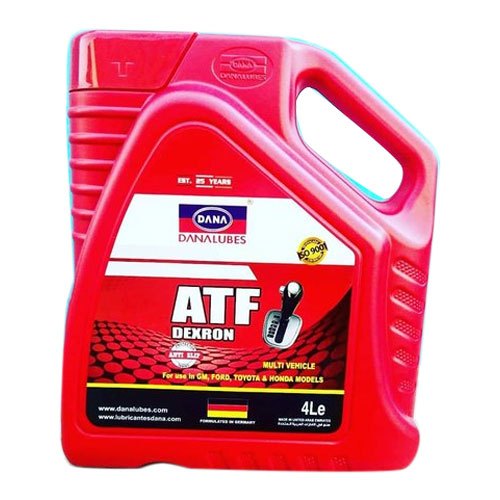
Automatic Transmission Fluid (ATF)
Common specifications include:
1. Dexron® series
2. Mercon® series
3. Multi-Vehicle ATF
4. OEM-specific ATF
Manual Transmission Oil
Manual gearboxes often require specialized gear oils with:
1. Extreme Pressure (EP) protection
2. Excellent wear resistance
3. Stable viscosity
4. Smooth synchronizer performance
Using the correct fluid ensures proper transmission operation and durability.
Applications
Premium transmission lubricants are suitable for:
Passenger Cars
Reliable daily driving and smooth gear changes.
SUVs and Crossovers
Consistent performance across varied driving conditions.
Pickup Trucks
Dependable protection during towing and heavy-duty use.
Commercial Fleets
Reduced downtime and lower maintenance costs.
Agricultural Machinery
Reliable transmission performance during seasonal operations.
Construction Equipment
Heavy-duty gearbox protection under demanding working conditions.
Best Practices for Maximum Transmission Life
To maximize transmission reliability:
1. Follow the manufacturer’s recommended service intervals.
2. Use only the specified transmission oil or ATF.
3. Check transmission fluid levels regularly.
4. Replace filters where applicable.
5. Repair leaks immediately.
6. Prevent contamination from dirt and moisture.
Routine maintenance ensures long-term transmission performance.
Sustainability Benefits
Proper transmission lubrication contributes to sustainable vehicle operation by:
1. Extending transmission lifespan
2. Improving drivetrain efficiency
3. Reducing maintenance-related waste
4. Lowering operating costs
5. Supporting reliable long-term vehicle performance
Efficient lubrication helps maximize equipment life while minimizing unnecessary resource consumption.
Why Premium Transmission Oil Matters
High-quality transmission oils provide:
1. Excellent wear protection
2. Superior thermal stability
3. Outstanding oxidation resistance
4. Reliable hydraulic performance
5. Smooth gear engagement
6. Long service life
7. Improved transmission efficiency
These benefits make premium lubricants an essential part of modern vehicle maintenance.
Conclusion
Smooth gear shifting and long transmission life depend heavily on the quality of the transmission oil used and the consistency of routine maintenance. Premium transmission lubricants reduce friction, control heat, prevent wear, and ensure precise gear engagement, allowing the transmission to operate efficiently under all driving conditions. Whether you drive a passenger car, manage a commercial fleet, or operate heavy-duty equipment, investing in high-quality transmission oil and following the recommended maintenance schedule will help improve reliability, reduce repair costs, and keep your transmission performing at its best for years to come.